
Peaklight Newsletter March 2026
Living Topography — Subantarctics Photography
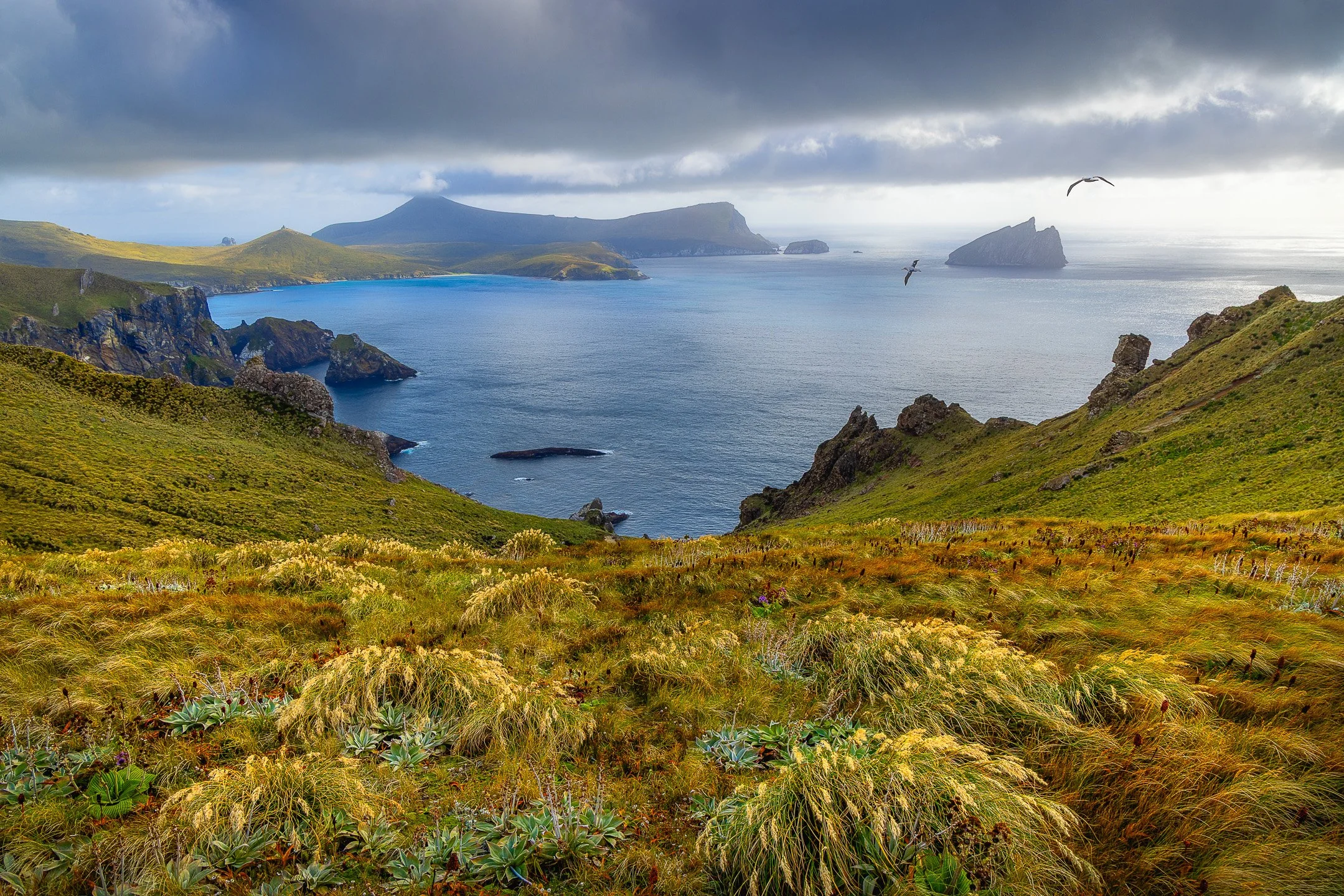
In February, I travelled south from New Zealand toward the Ross Sea region of Antarctica, beginning with a passage through the remote Subantarctic Islands. I’ve just published an article about the Subantarctic — shaped as much by the images as the ideas behind them.
Read the article: Living Topology — Subantarctics Photography
In the Subantarctic islands the landscape rarely sits still. Light shifts quickly, weather moves through in layers, and wildlife becomes part of the structure of the scene rather than a separate subject.
The images in this article reflect that experience.
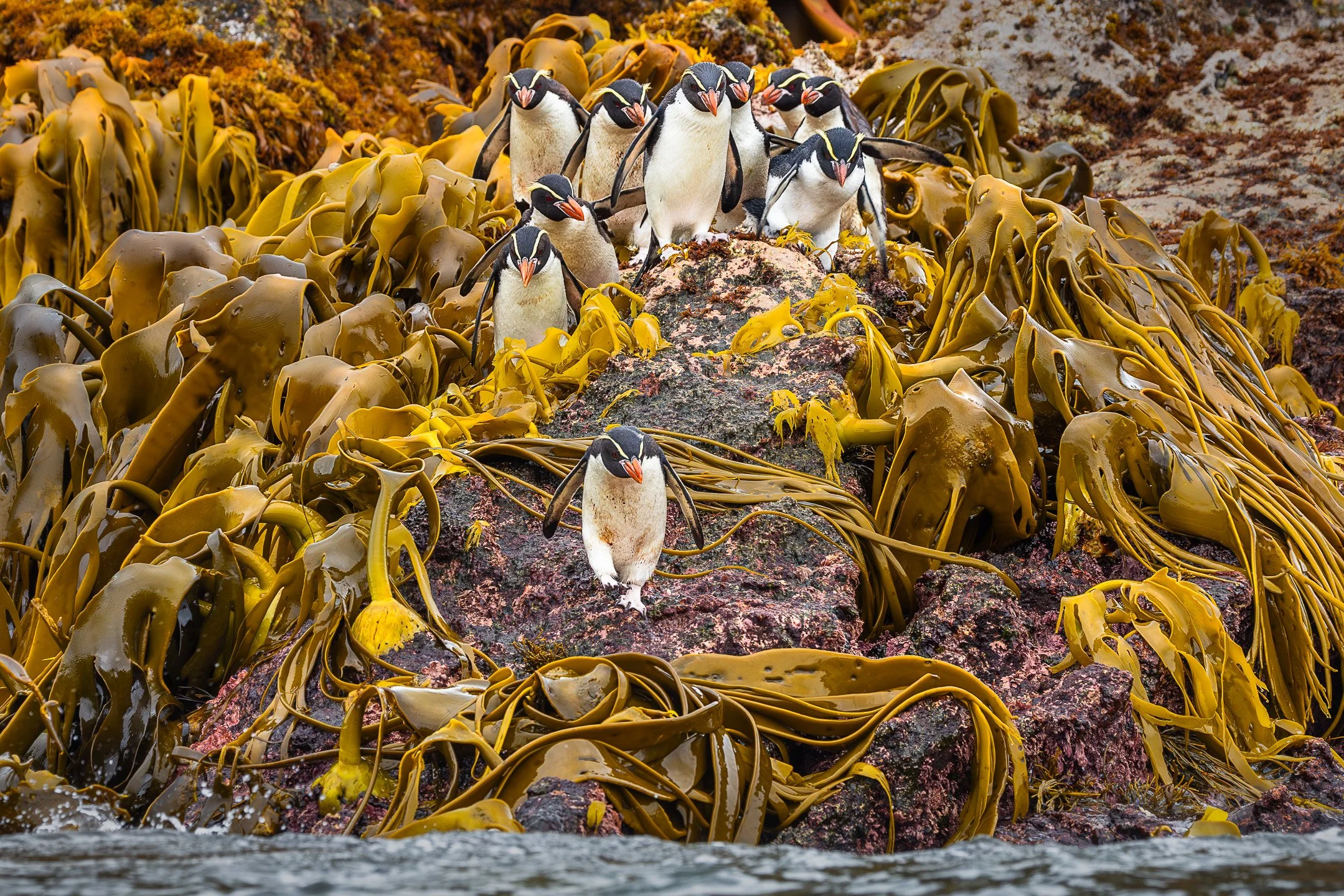
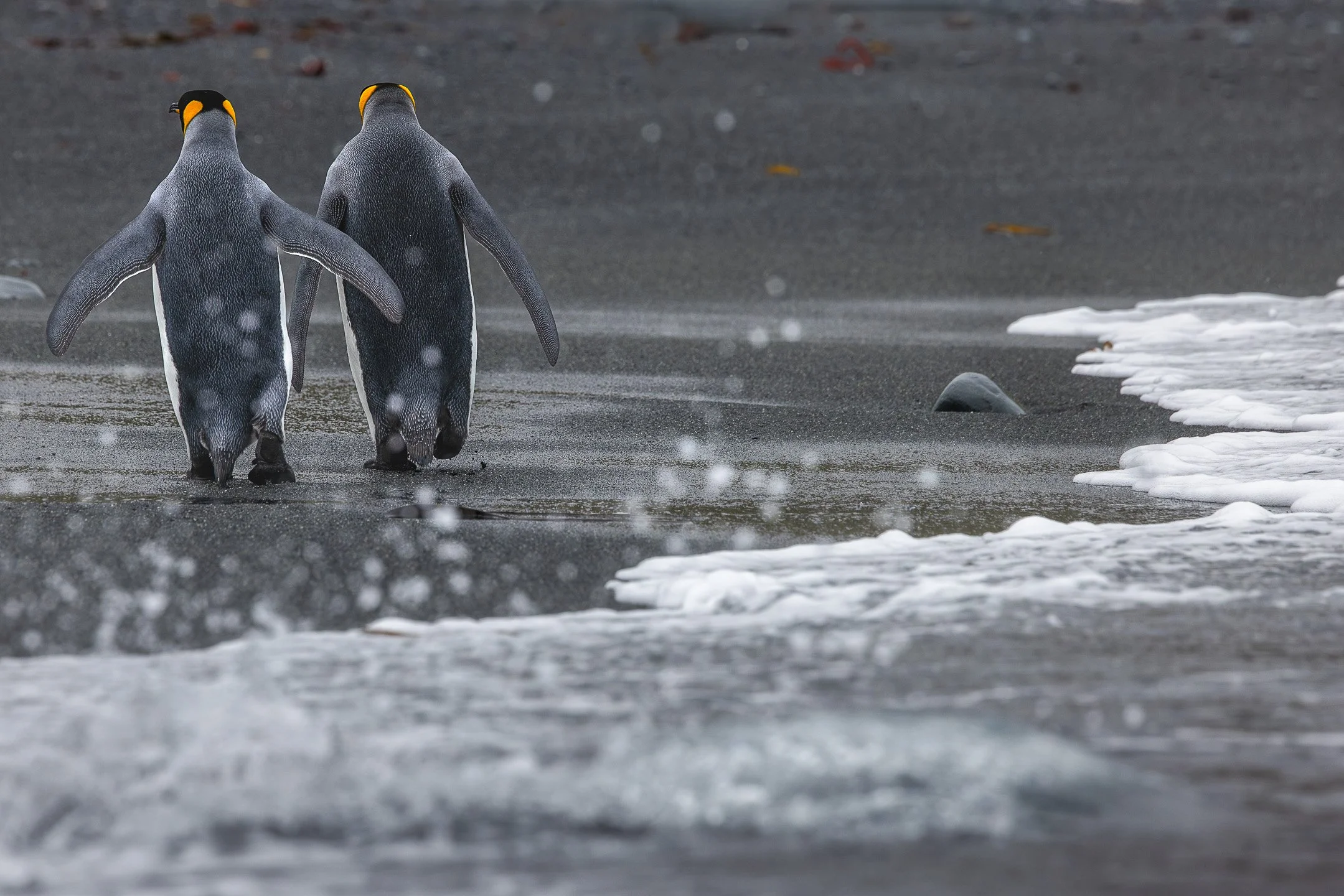
You’ll see albatross tracing the contours of coastal cliffs, penguins moving through surf and shoreline, and moments where mist, sea, and land briefly align. Some frames are expansive, describing the geography; others are more intimate, where small gestures within the landscape carry the weight of the scene.
Rather than isolating single, decisive moments, these images begin to form a connected set — a visual response to a place that is constantly in motion.
Alongside the photographs, I share how this way of working evolved:
Letting compositions emerge rather than fixing them too early
Working from moving platforms like zodiacs and ships
Using wildlife as part of the landscape’s structure
Building a sequence of images that together describe the place
The result is less about any one image, and more about how they relate — a living topology shaped by land, weather, and movement.
If you’re interested in landscape photography that goes beyond the static frame, I think you’ll enjoy this one.
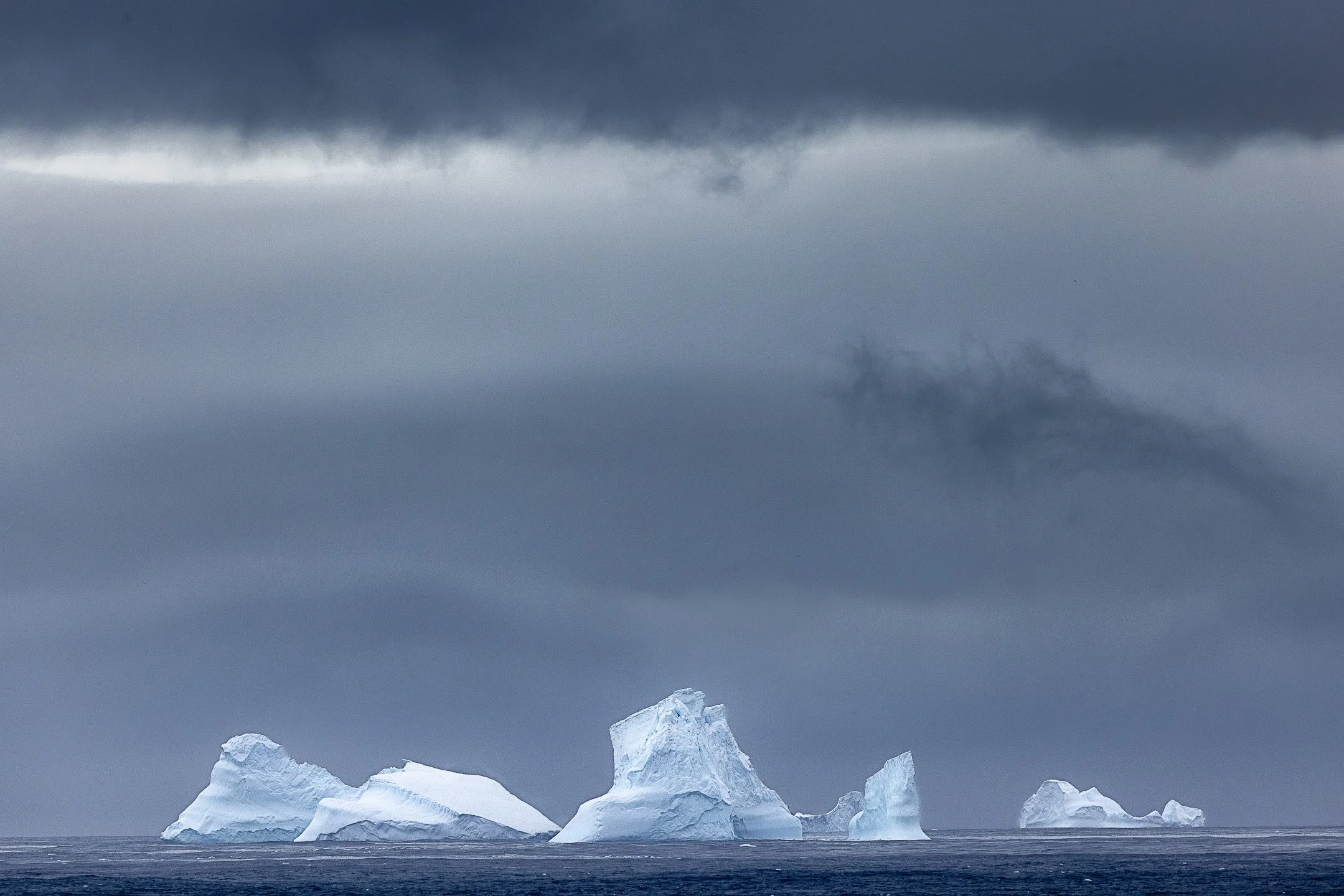
Coming next: Antarctica
The Subantarctic islands served as a powerful introduction to my journey toward Antarctica — wild, remote places where landscape and life exist in a delicate balance shaped by isolation and the relentless forces of the Southern Ocean.
This photographic chapter has been my visual entry point into that world, setting the stage for what comes next: the immense, white wilderness further south.
In the next article, I’ll share my arrival in the Ross Sea region — the continent of ice — and how this way of working continues to evolve in a landscape that strips things back even further.
Peak Light continues to grow as a space where I share both images and the thinking behind them — grounded in place, process, and experience.
Thanks for being part of it.
If you enjoyed this, why not forward it to a friend? I’d love for someone else to get inspired by these landscapes and the stories behind the images.