
Here’s a sample of previous stories
Featured
Here’s a sample of previous guides
Featured
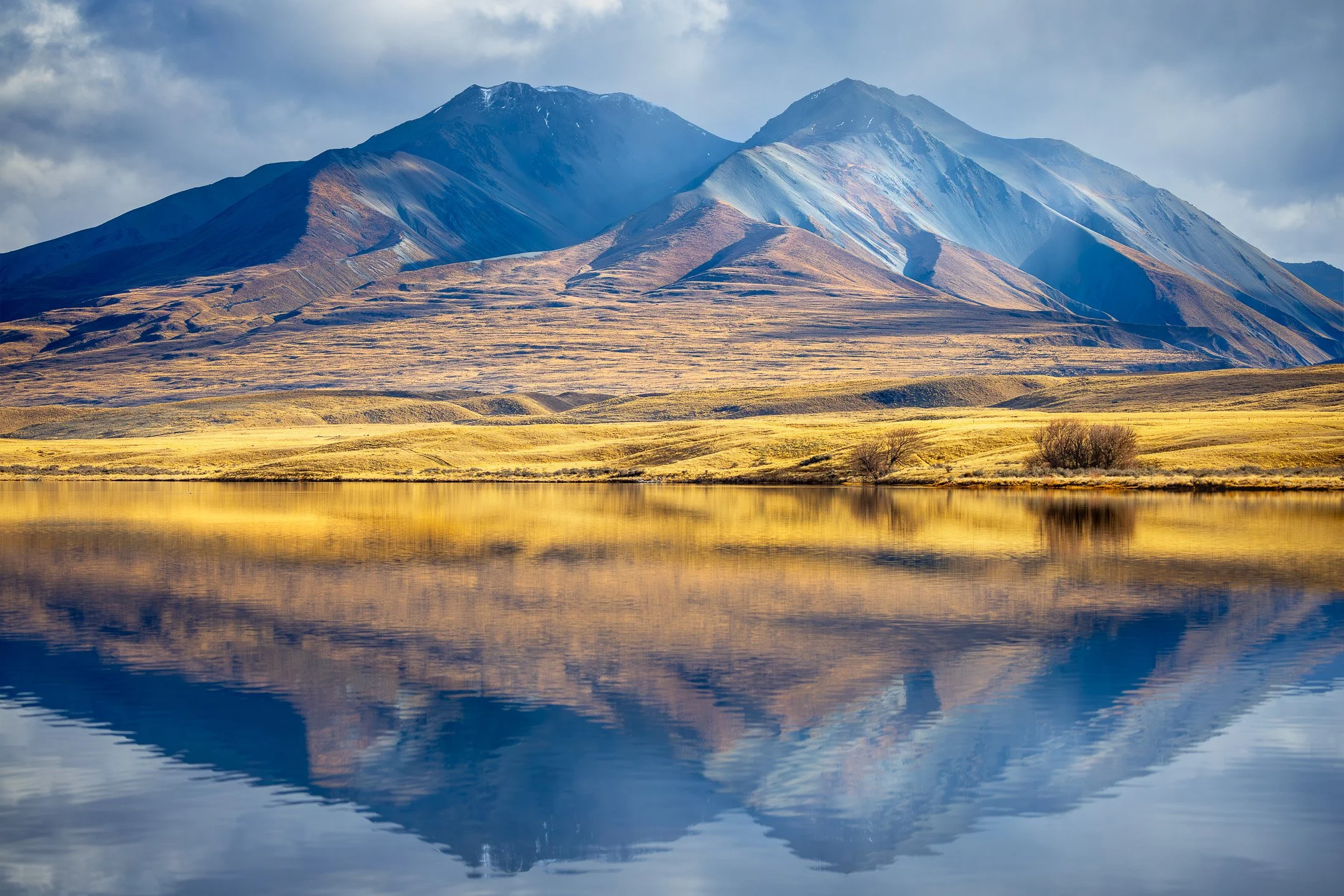
Most people come to the Ashburton Lakes for one thing: the mirror. Golden tussock, a sweep of mountains, water so still it stops your breath.
I went for that too, and got it. But staying longer than the first shot takes led somewhere quieter, through a passing storm and a rainbow, to a morning spent looking straight down at the water instead of out across it.
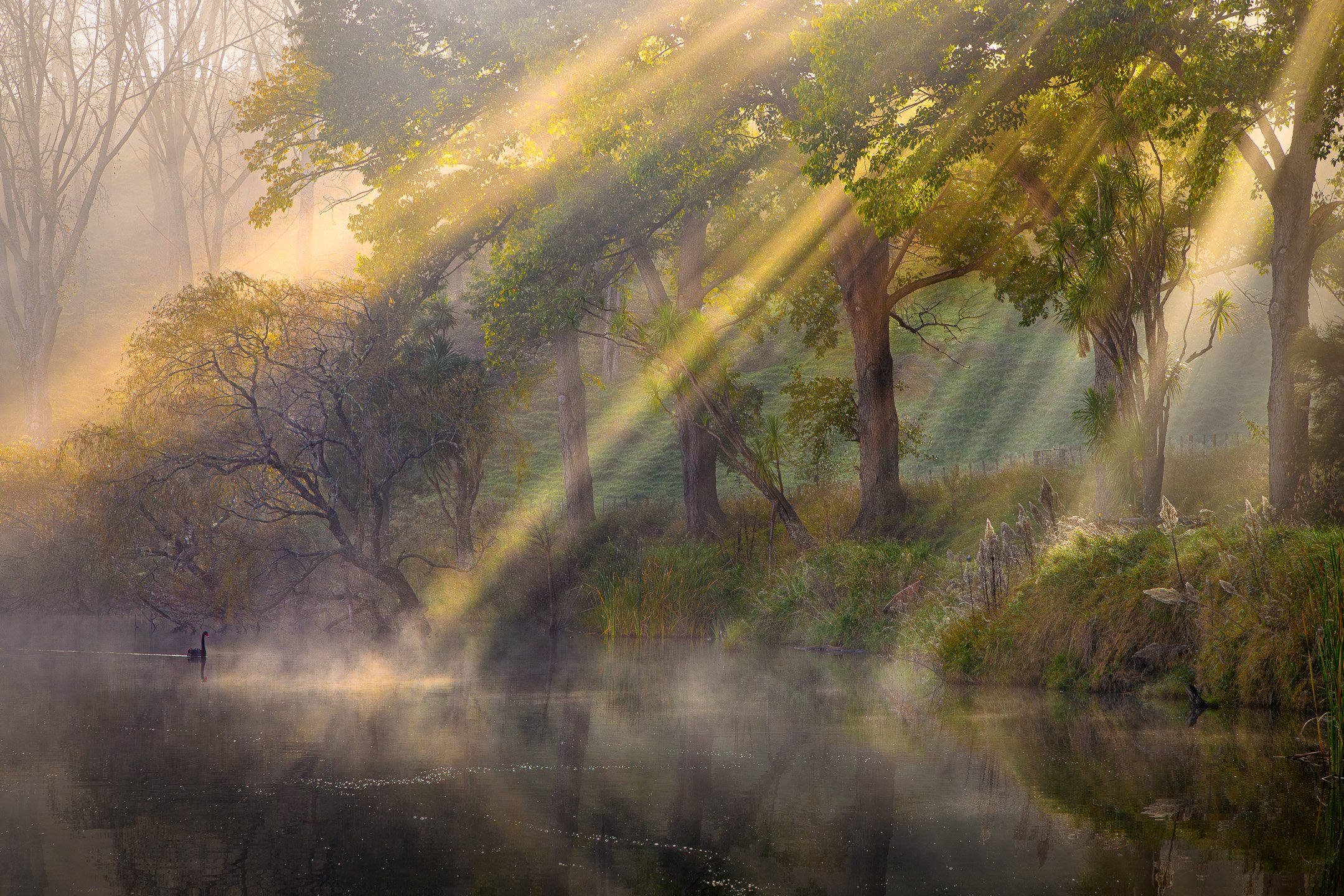
The best landscape photographs are rarely handed to you. Sometimes they require you to stand in the cold, staring into absolute nothingness, and wait. This is the story of a single autumn morning at Lake Tūtira, a morning that began in total fog and slowly resolved into something I hadn't expected: clean reflections, sharp light, and a geometry in the landscape that the fog had been hiding all along.
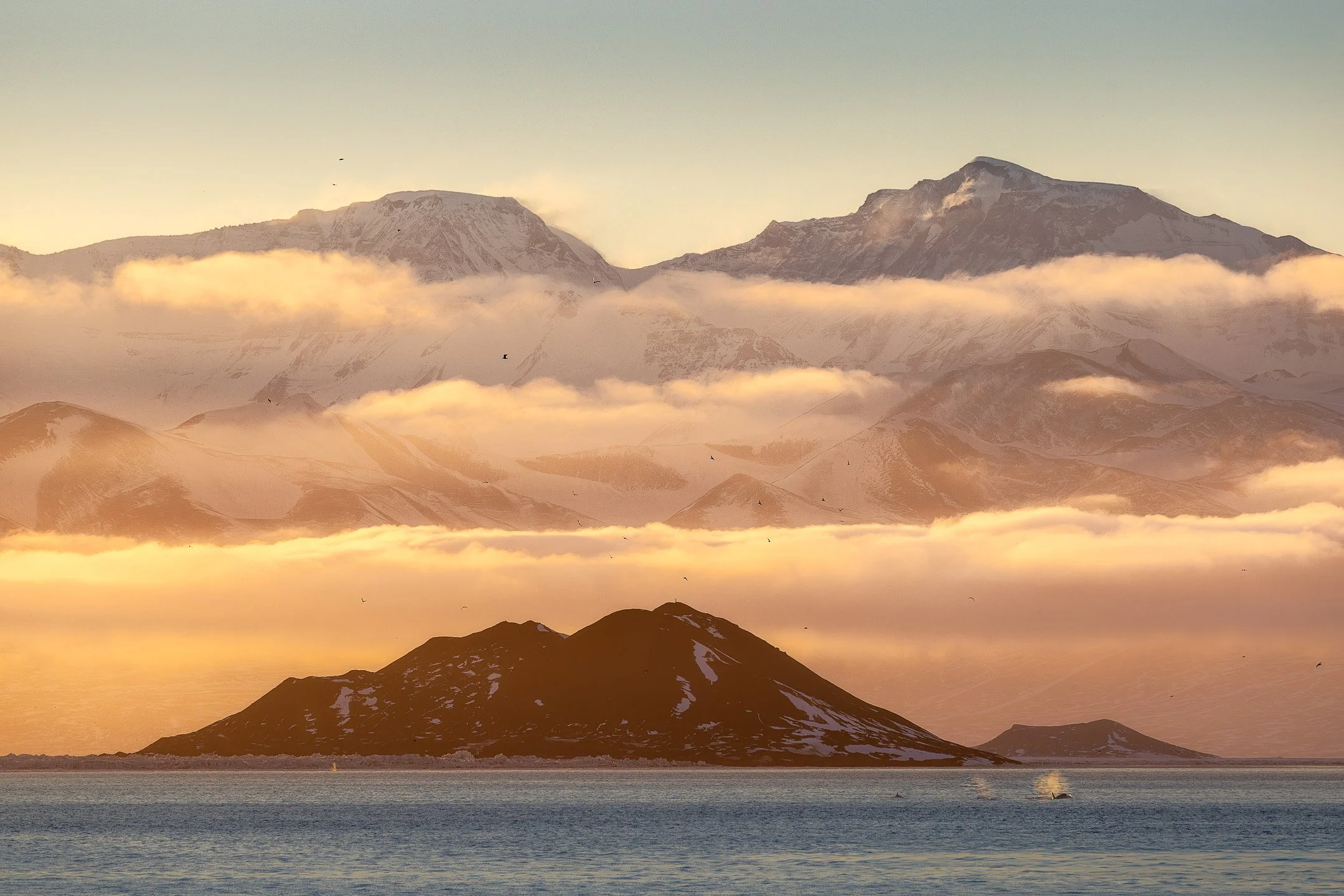
I arrived expecting cold — not just physical chill, but a particular visual cold: an Antarctica of the imagination, reduced to white and grey. The Ross Sea had other ideas. What I found instead was gold settling across volcanic peaks, pancake ice that looked impossibly like Monet's water lilies, and light that refused to behave the way Antarctic light was supposed to. For one hour in McMurdo Sound, the continent became the warmest place I have ever been.
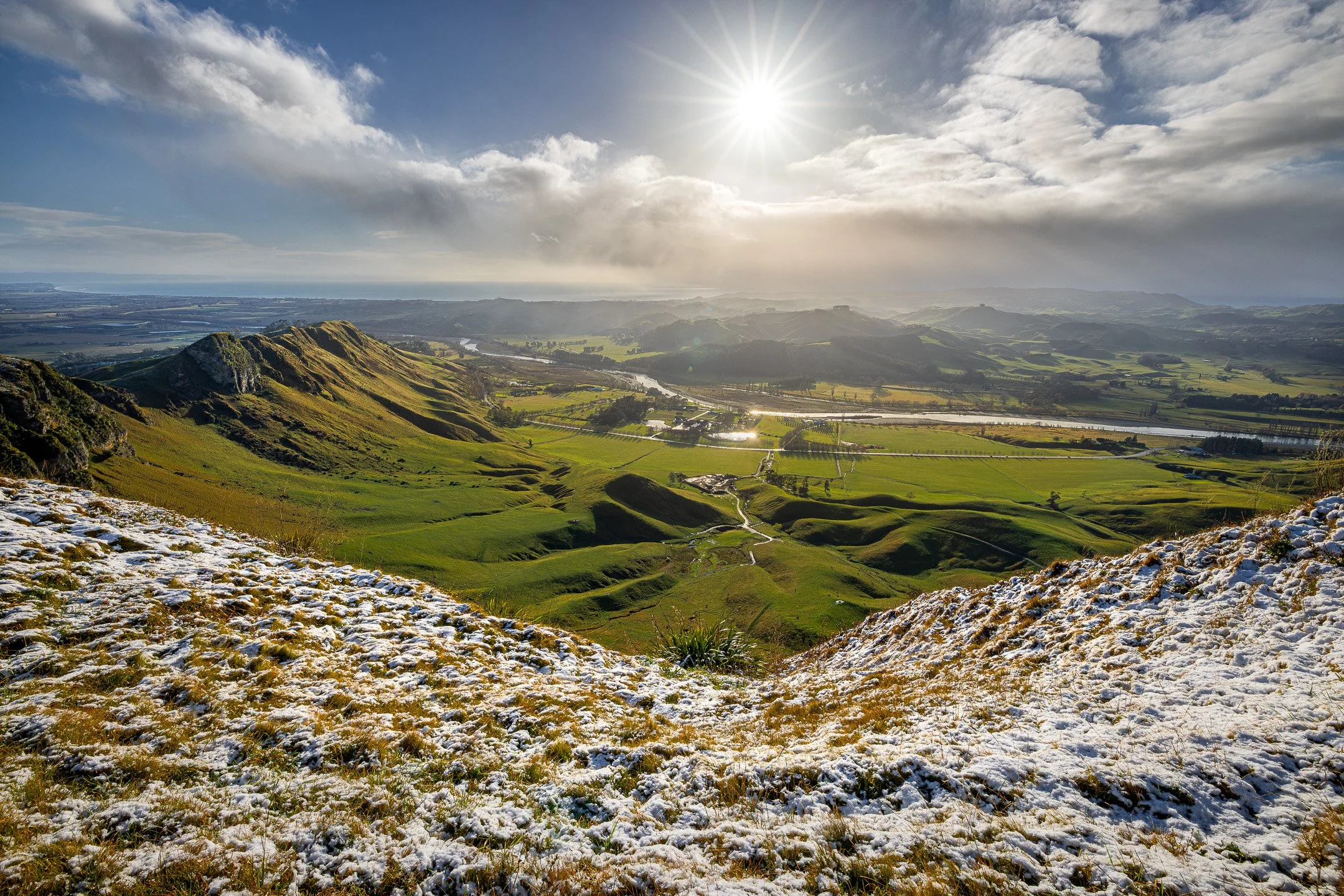
Snow doesn't settle on Te Mata Peak often — only a handful of mornings since I moved to Hawke's Bay. This time I was ready for it, walking my familiar trail before dawn as sleet gave way to sun, cold hands and all.
Most people come to the Ashburton Lakes for one thing: the mirror. Golden tussock, a sweep of mountains, water so still it stops your breath.
I went for that too, and got it. But staying longer than the first shot takes led somewhere quieter, through a passing storm and a rainbow, to a morning spent looking straight down at the water instead of out across it.
The best landscape photographs are rarely handed to you. Sometimes they require you to stand in the cold, staring into absolute nothingness, and wait. This is the story of a single autumn morning at Lake Tūtira, a morning that began in total fog and slowly resolved into something I hadn't expected: clean reflections, sharp light, and a geometry in the landscape that the fog had been hiding all along.
I arrived expecting cold — not just physical chill, but a particular visual cold: an Antarctica of the imagination, reduced to white and grey. The Ross Sea had other ideas. What I found instead was gold settling across volcanic peaks, pancake ice that looked impossibly like Monet's water lilies, and light that refused to behave the way Antarctic light was supposed to. For one hour in McMurdo Sound, the continent became the warmest place I have ever been.
Snow doesn't settle on Te Mata Peak often — only a handful of mornings since I moved to Hawke's Bay. This time I was ready for it, walking my familiar trail before dawn as sleet gave way to sun, cold hands and all.