
Hawke’s Bay Landscape Photography
Hawke's Bay is where I do most of my photography, and where over a decade of return visits to the same handful of places has taught me more than any new landscape ever could. After moving to New Zealand in the nineties, I settled here in my early-forties, and everything on this page grew from simply staying in one place long enough to watch it change with the seasons, the light, and the weather rolling in from the Pacific.
This page pulls together what I've made and written about the region: the photograph collections organised by place, the stories behind particular mornings and seasons, the practical guides I've written on reading the mist and finding your own access points, and the workshops I run here on the ground. If you're planning a visit, deciding where to point a camera, or simply curious about what keeps me coming back to the same trail before dawn, this is the place to start.
The Places
Hawke's Bay's landscape splits naturally into a handful of recurring subjects, each with its own light and its own patience required.
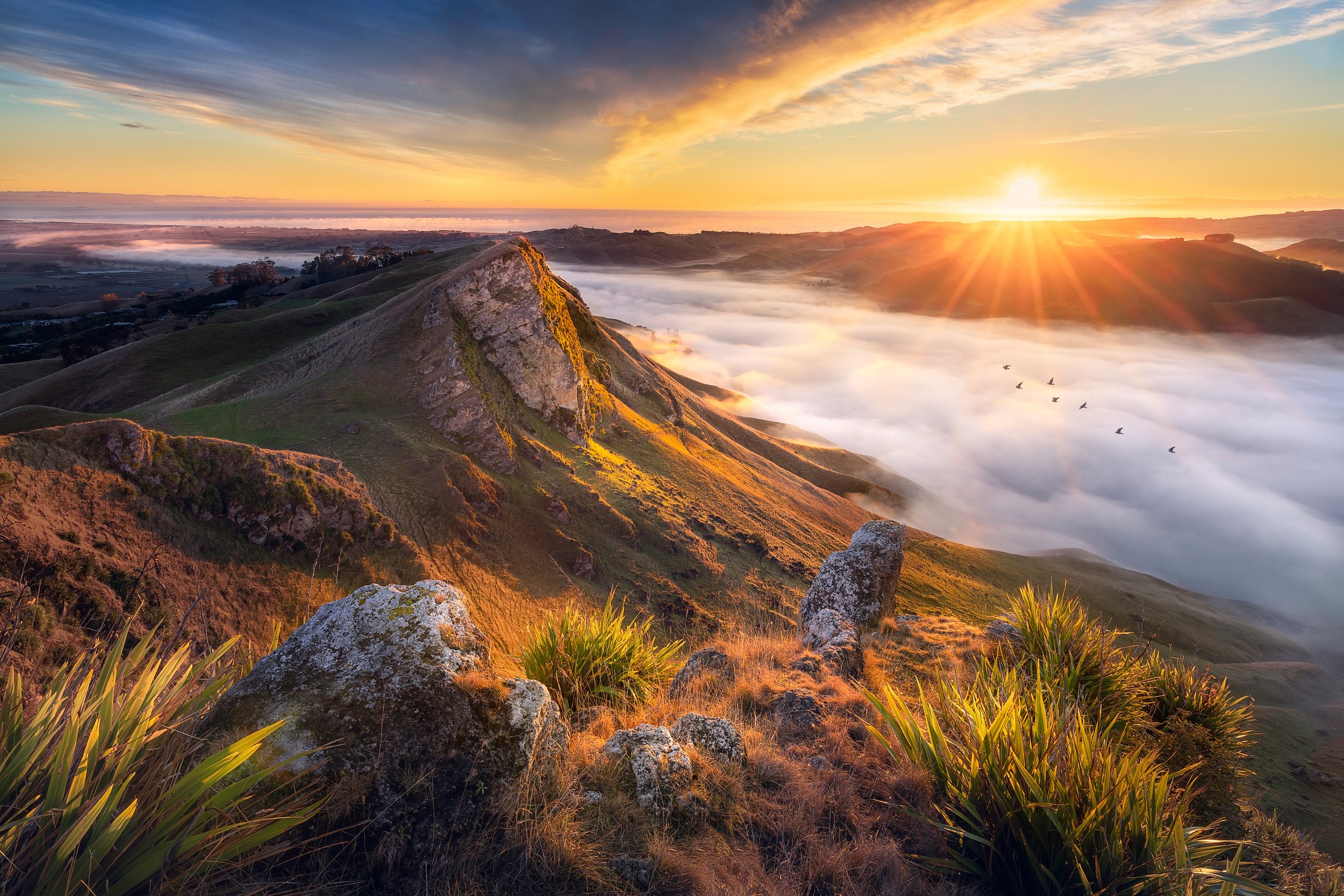
Te Mata Peak rises directly behind Havelock North and has become something like home ground for me: the same ridge, photographed in snow, storm, and gold, more times than I can count.

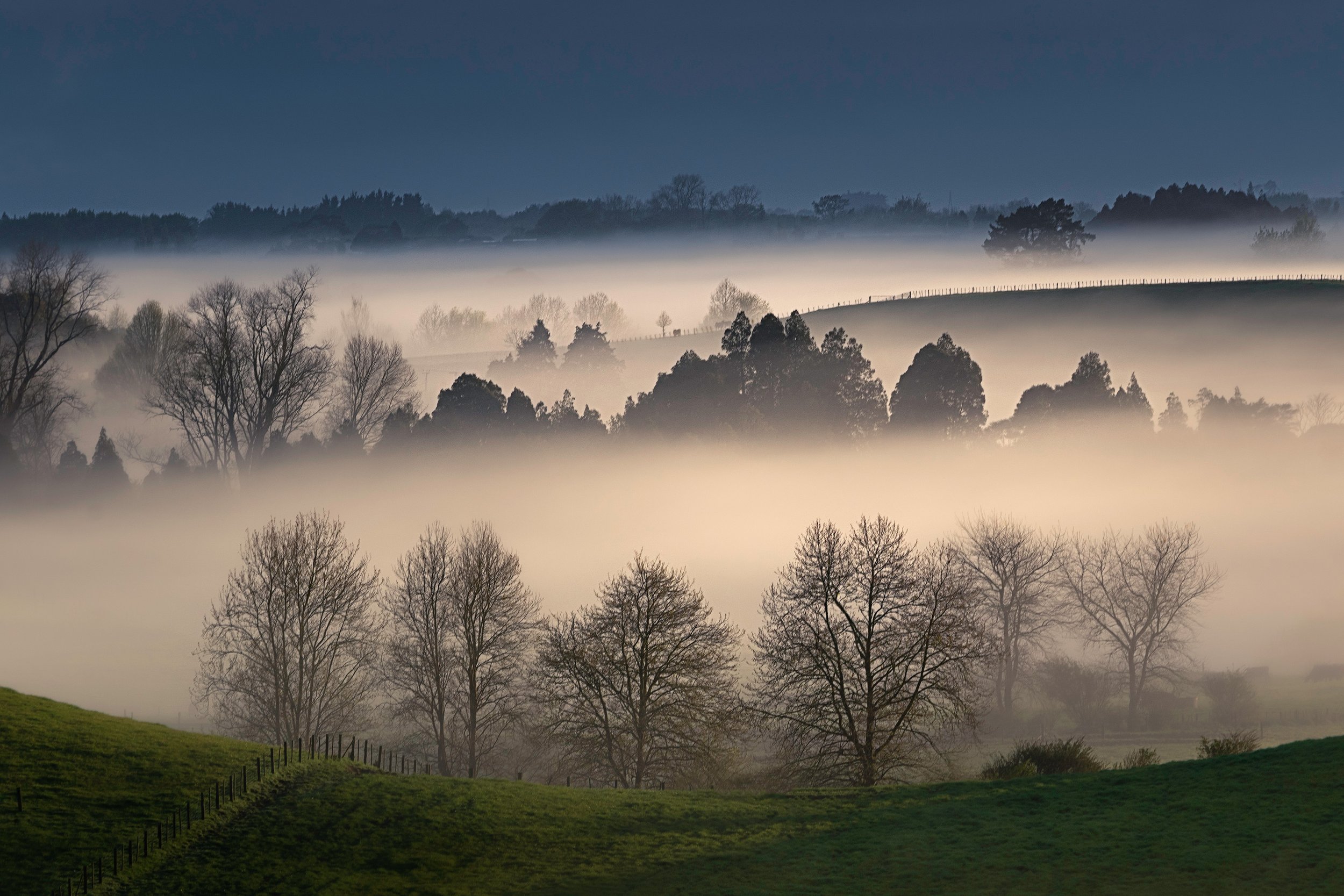
The Tukituki Valley spreads out beneath Te Mata Peak and is where the valley's own microclimate produces some of the most reliable mist mornings I've found anywhere in New Zealand.
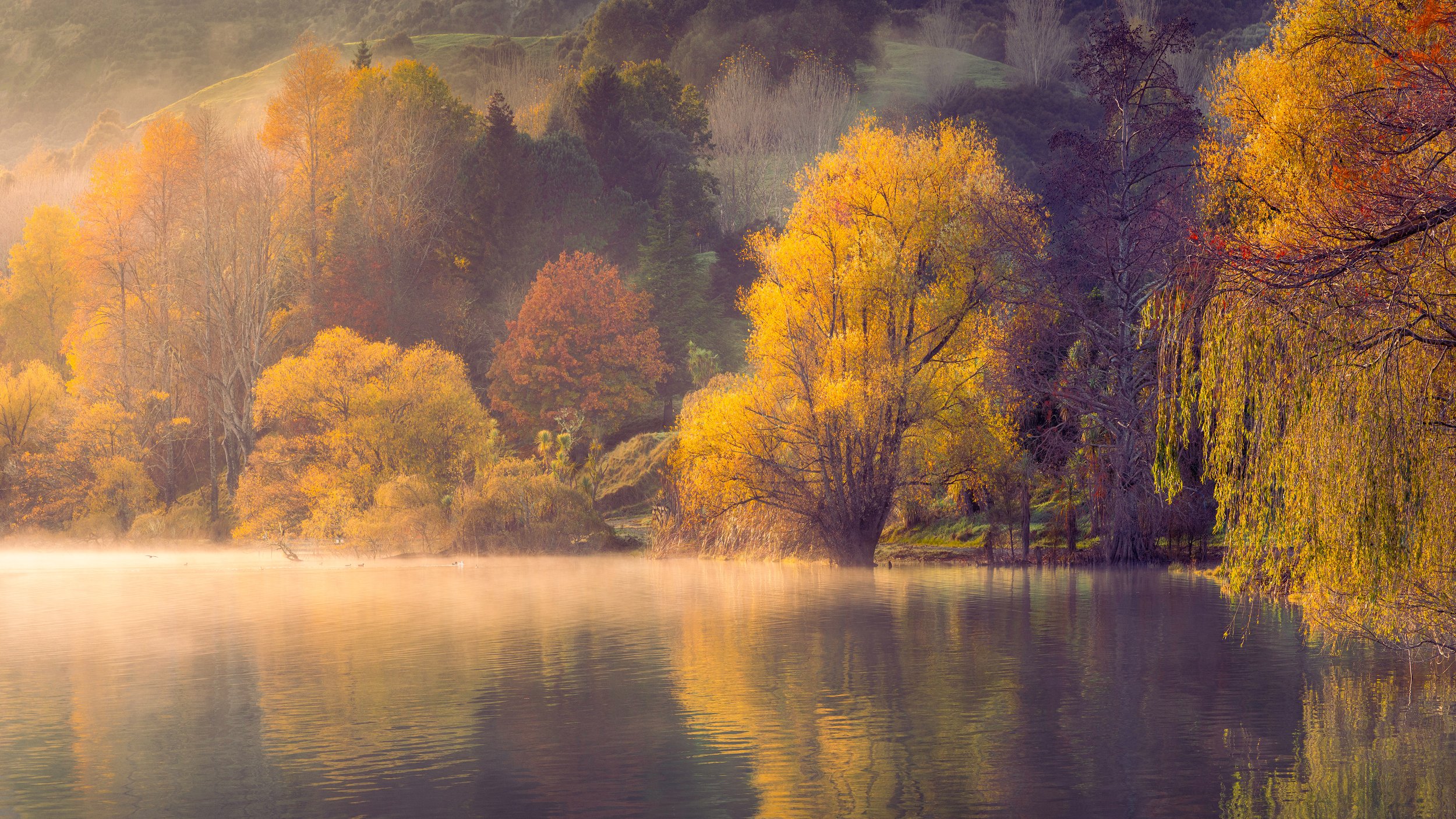
Lake Tūtira sits further north and brings stillness and colour above almost anything else: mirror mornings, sudden fog, and long waits that occasionally pay off in unexpected light.
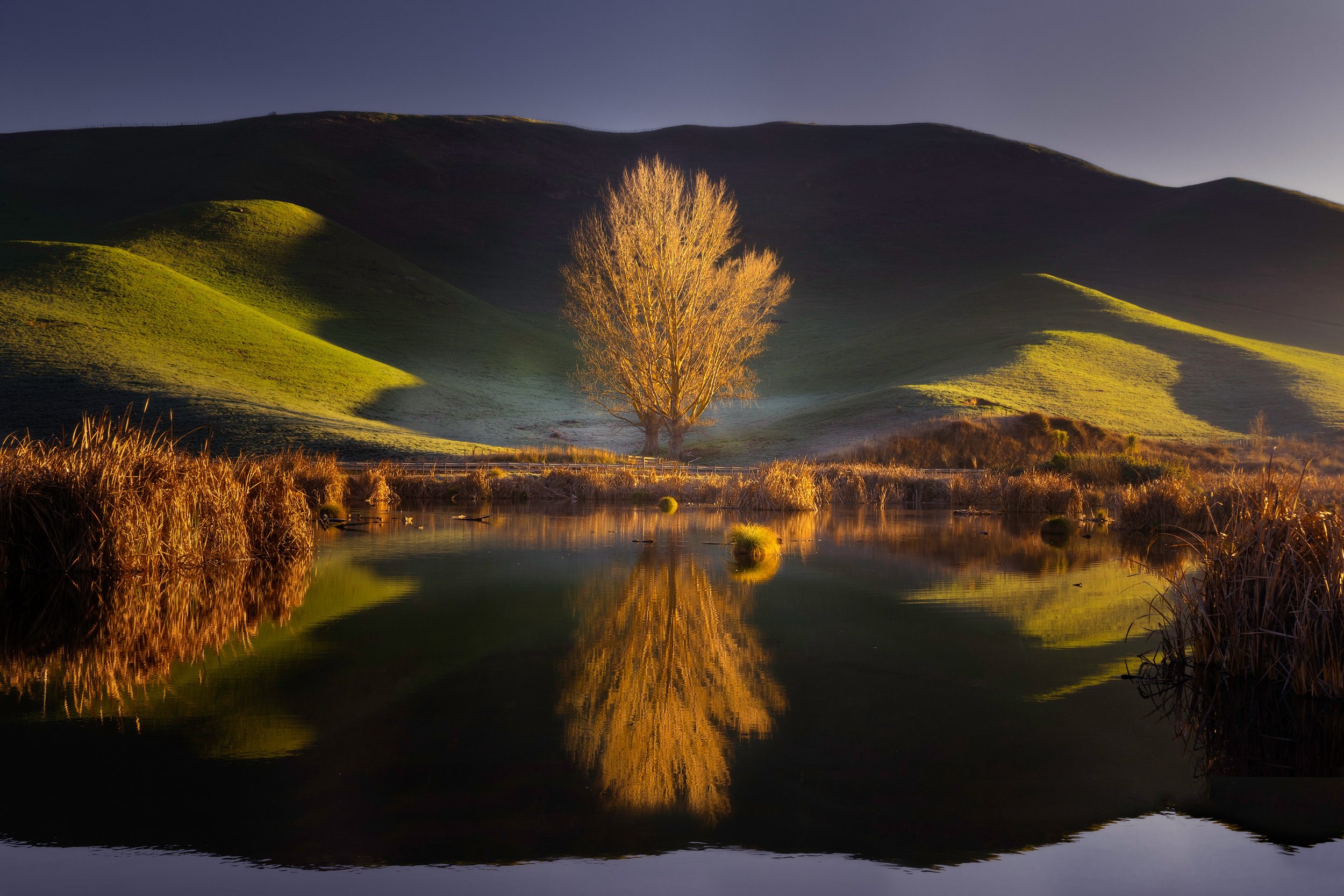
Pekapeka Wetlands is the quietest of the five, a boardwalk over still water where reflection and birdlife matter more than scale. It rewards a slower pace than the others, and a longer look at what's close rather than what's distant.
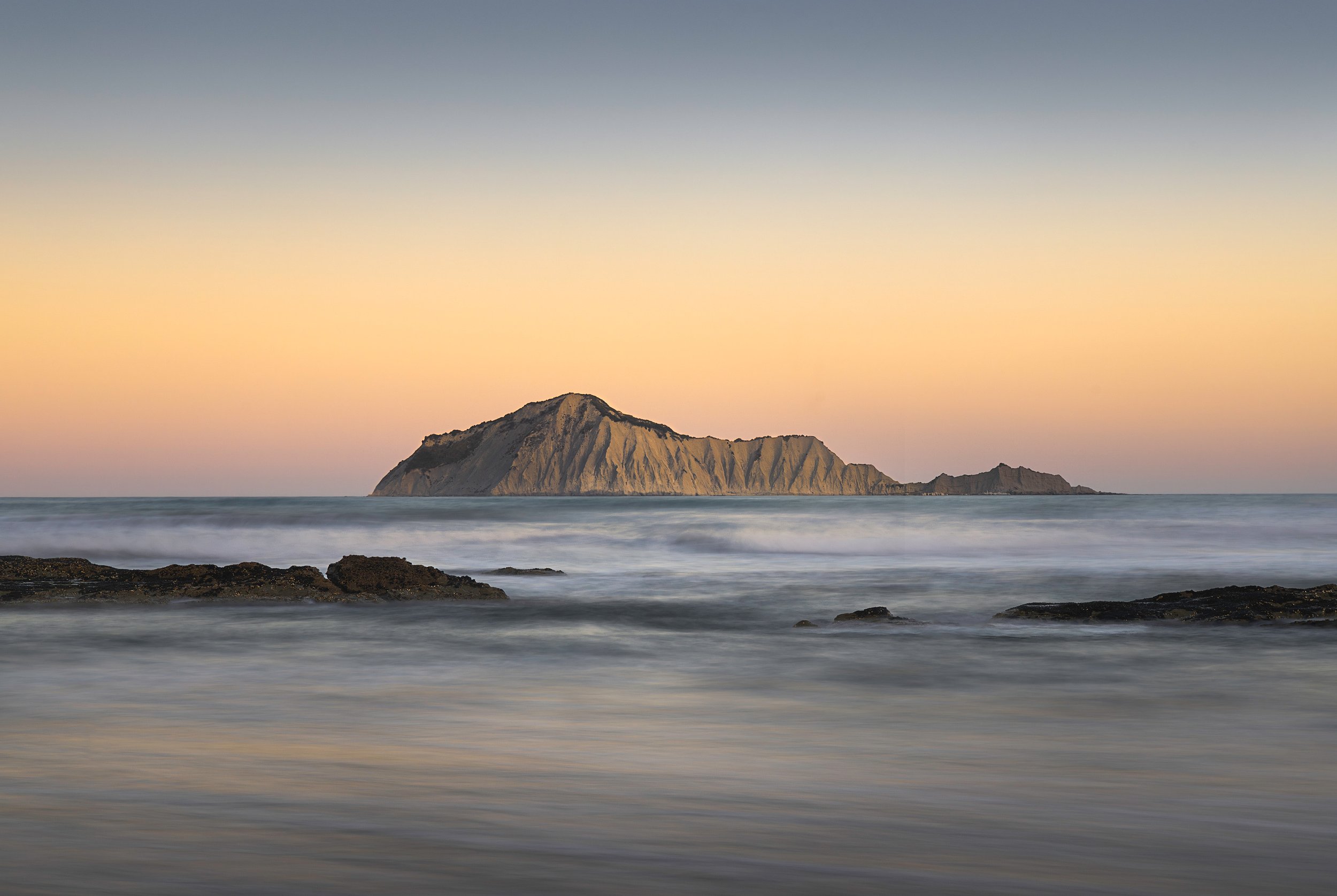
Hawke's Bay's coastline runs from sheltered bays to open, exposed stretches, and each responds differently to weather and tide. This is where I go when the inland fog hasn't formed and the light is doing something else entirely.
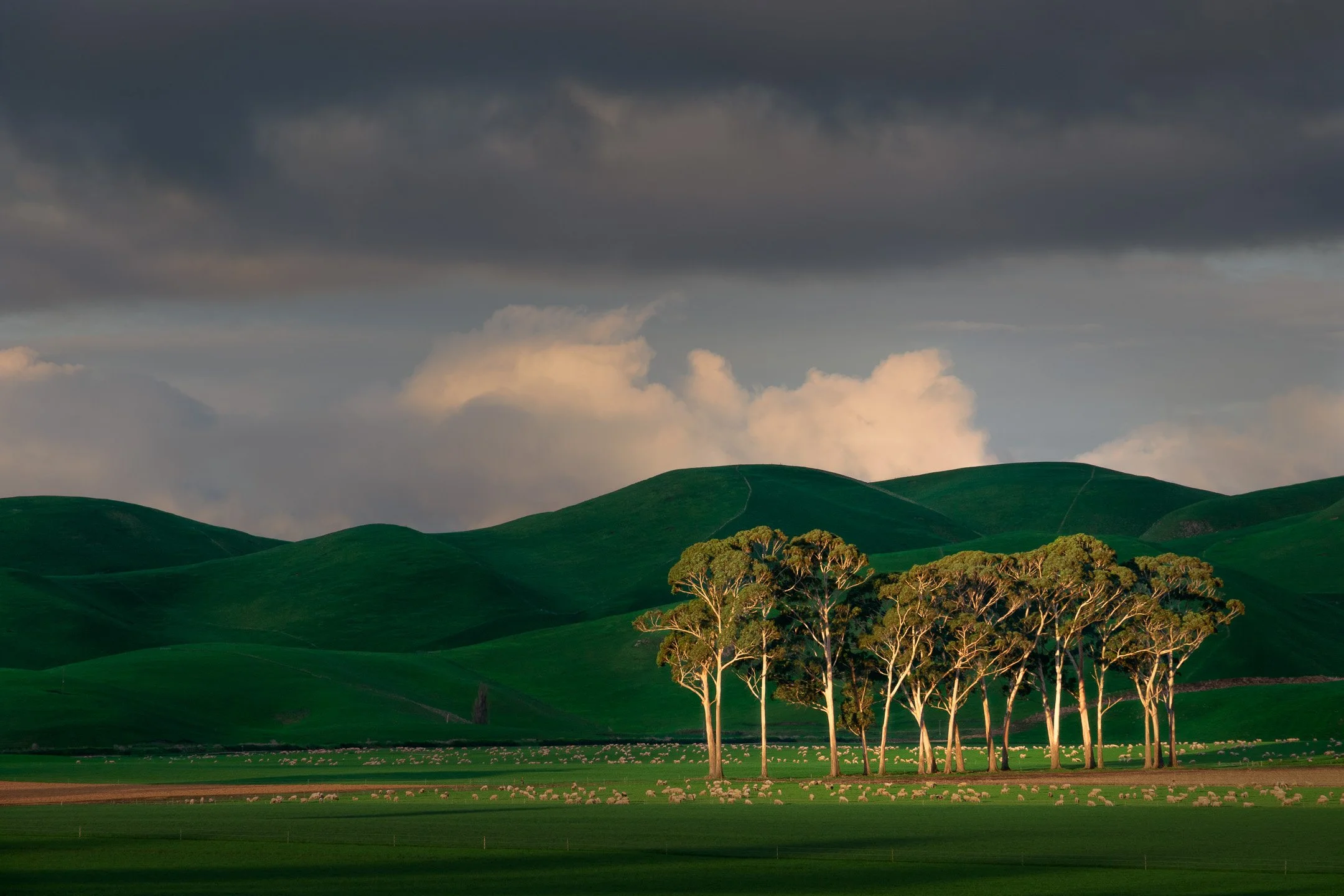
More of Hawke's Bay covers the images that don't sit neatly in the other five: smaller scenes, quieter corners, the shots that didn't need their own gallery to earn a place. Available as prints, with a full gallery page coming in time.
Stories from the Field
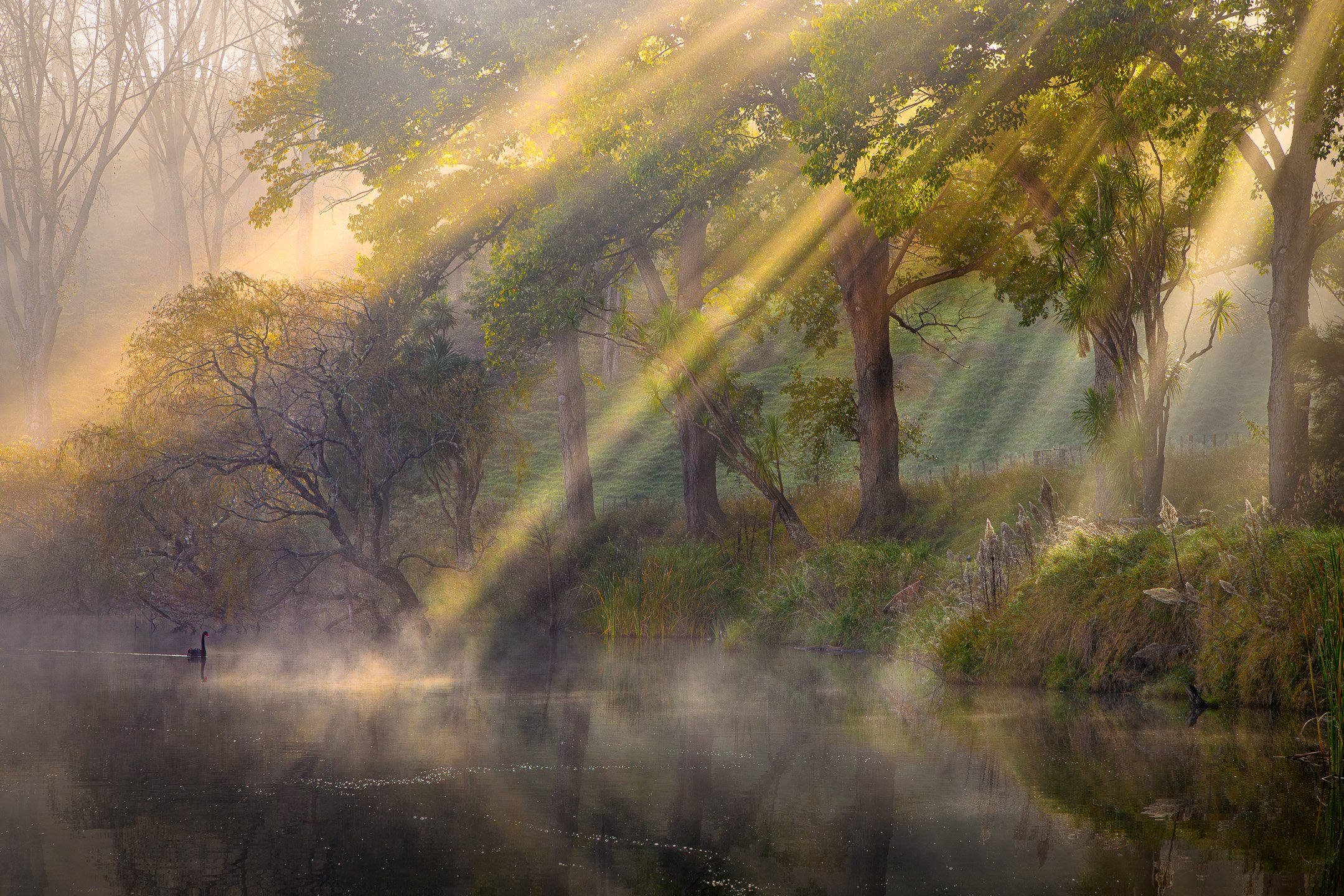
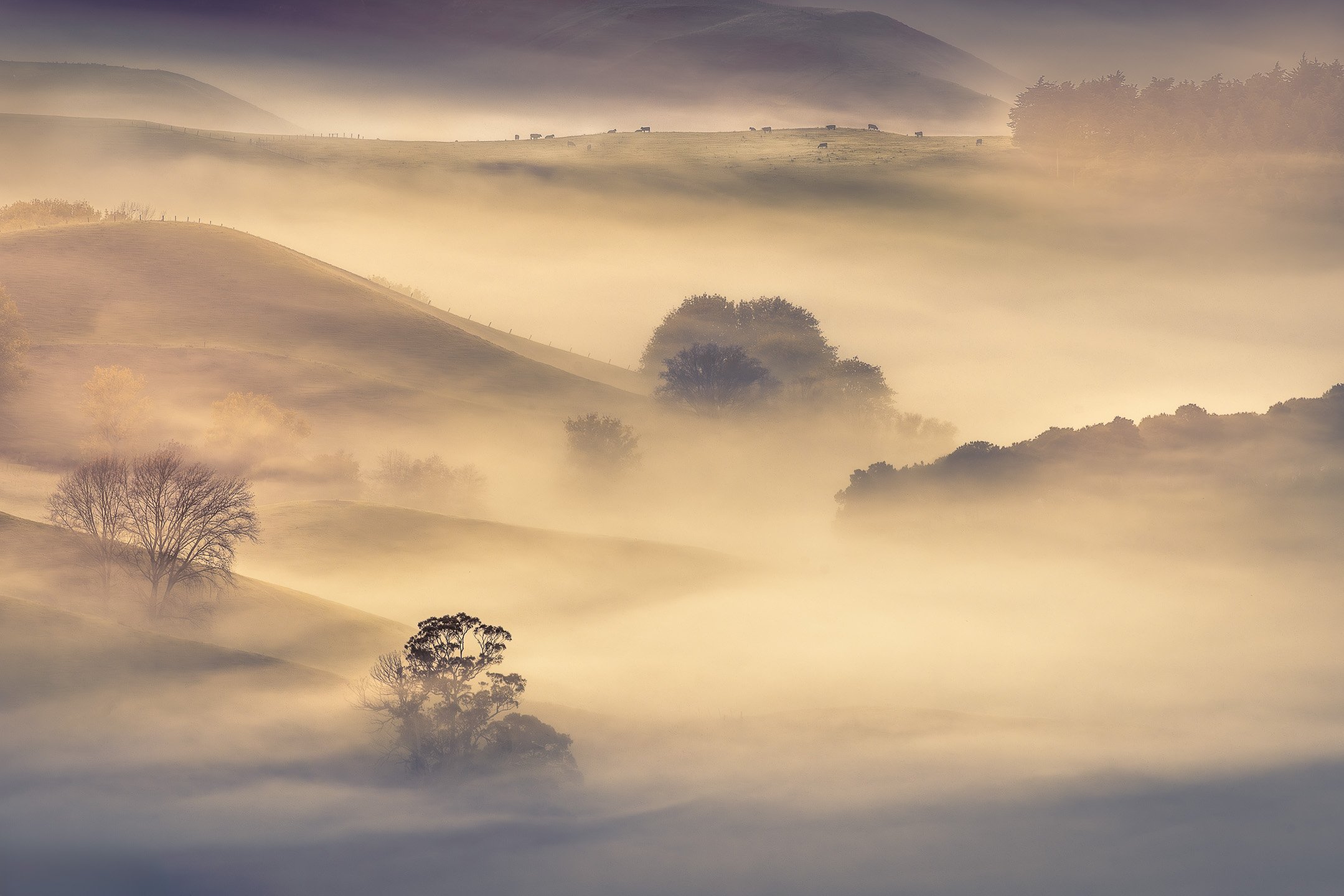
Some experiences in the field are better shared as stories than tutorials. Whether capturing dawn light on Te Mata Peak or waiting out the fog at Lake Tūtira, these essays reflect on the patience, decisions, and lived experiences behind the photographs.


Reading the Region
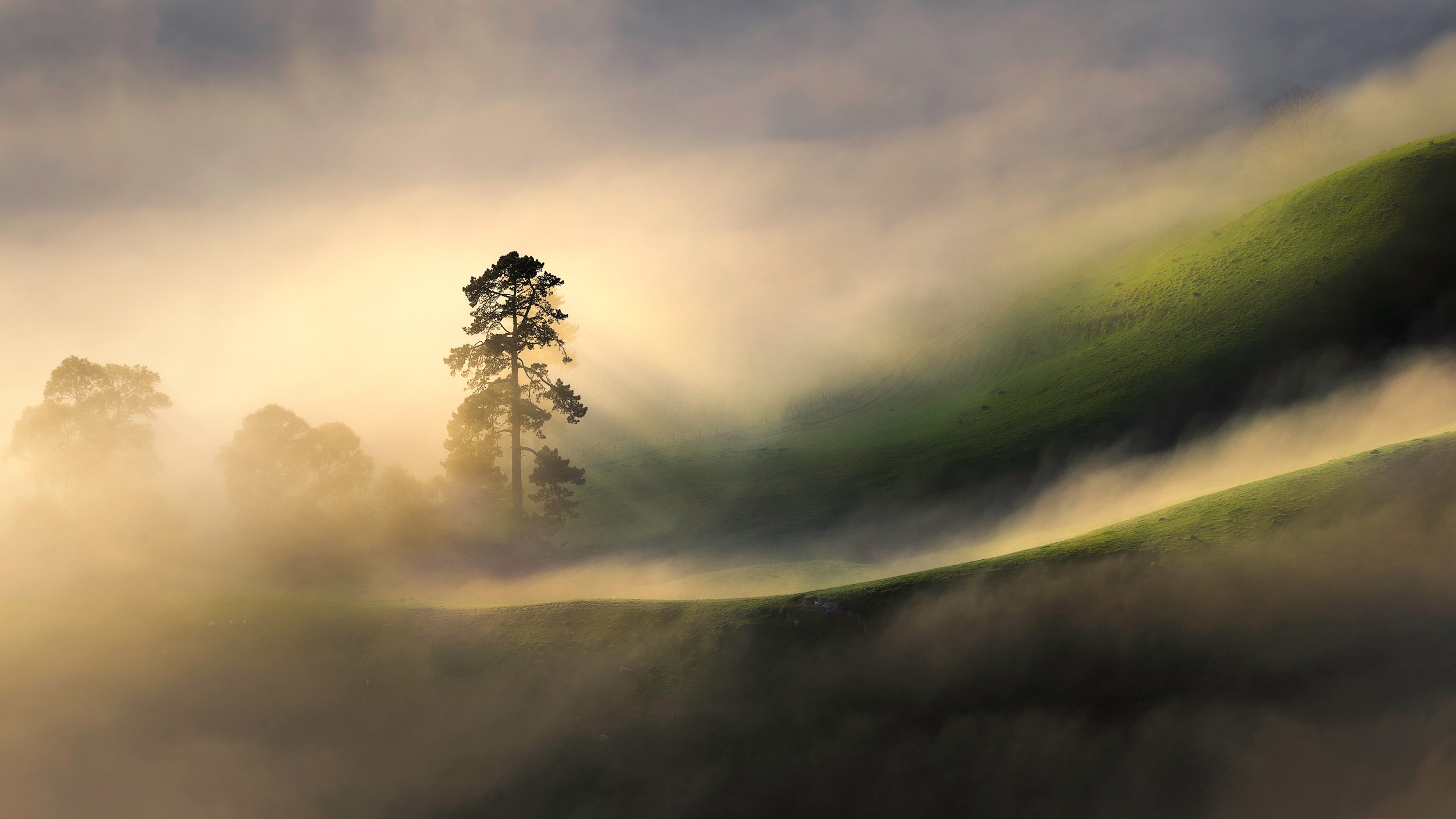
Photographing the same region for years teaches you things that go beyond where to stand and when the light is good, though there's plenty of that too. The guides below cover both: practical pieces on reading Hawke's Bay's conditions and finding its more accessible locations, alongside more reflective ones on what changes when a landscape stops being unfamiliar and starts being somewhere you return to.


Learn to Photograph Hawke's Bay
I'm the only photographer running dedicated landscape photography workshops in Hawke's Bay, across three tracks depending on where you're starting from: Camera Foundations for those still building confidence with their camera, Hawke's Bay Highlights for guided access to the region's best-known locations, and Seeing the Landscape for a more advanced, vision-led session built around atmosphere, order, and narrative. All three can lead into ongoing 1-2-1 mentoring, detailed on the workshops hub.

Bring It Home
Limited edition prints from across the region, including Te Mata Peak, the Tukituki Valley, and Lake Tūtira, are available through the print shop.
None of this is really about the place on its own. Hawke's Bay is simply where I've spent enough mornings in the cold and the dark to start noticing what changes and what doesn't. If you'd like to know more about how that happened, read more about me, or subscribe to hear when something new comes out of it.
Snow doesn't settle on Te Mata Peak often — only a handful of mornings since I moved to Hawke's Bay. This time I was ready for it, walking my familiar trail before dawn as sleet gave way to sun, cold hands and all.